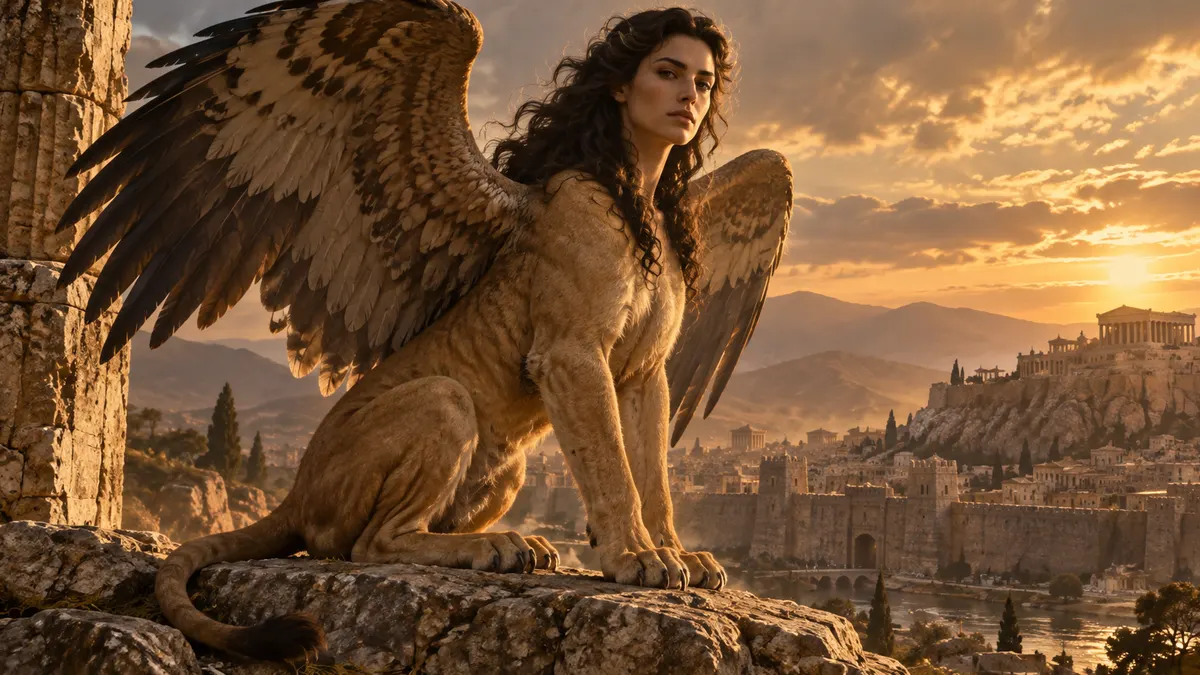
Sphinx: The Riddle Solved by the Wrong Man
The Sphinx of Thebes speaks: Echidna's bloodline, the riddle of four, two and three feet, the man who solved it, and the tragedy his right answer set loose.
Read the story →Myth without the classroom filter
Personal testimony, epic conflict, divine intrigue and the secrets that predate Olympus. Written with humour, character and respect for the ancient traditions.
 AI
AIAI-generated illustration
This week on Olympus
Did you know?!
Hephaestus traps Aphrodite and Ares in an invisible net. Olympus' spiciest divine setup, retold with humor and bite from Homer's Odyssey, Book 8.
See what happened →Digital goods from Olympus
Original digital artwork for T-shirts, mugs, posters, stickers and collectible packs — designed for personal printing.
Visit the Shop →Every story enters through a different door. None of them leaves entirely unharmed.
No standard biographies. The gods speak for themselves and, when the mood strikes, about their relatives.
Strategy, fear, monsters and everything heroic retellings tend to leave outside the frame.
Marriages, betrayals, curses and family arguments with world-changing consequences.
Chaos, Tartarus, Titans and objects of power from before and after the rise of Olympus.
Gods and goddesses. Choose a face to hear their side of the story.
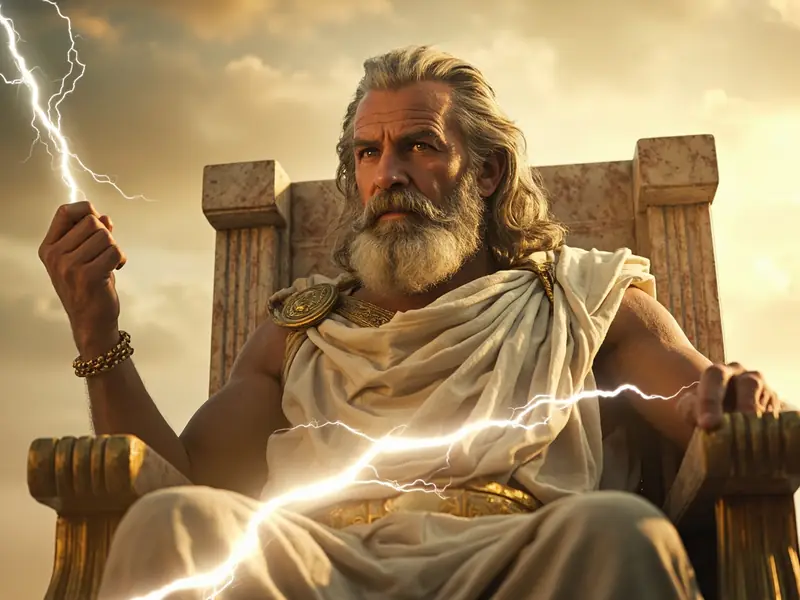 AIZeusThunder · law · power
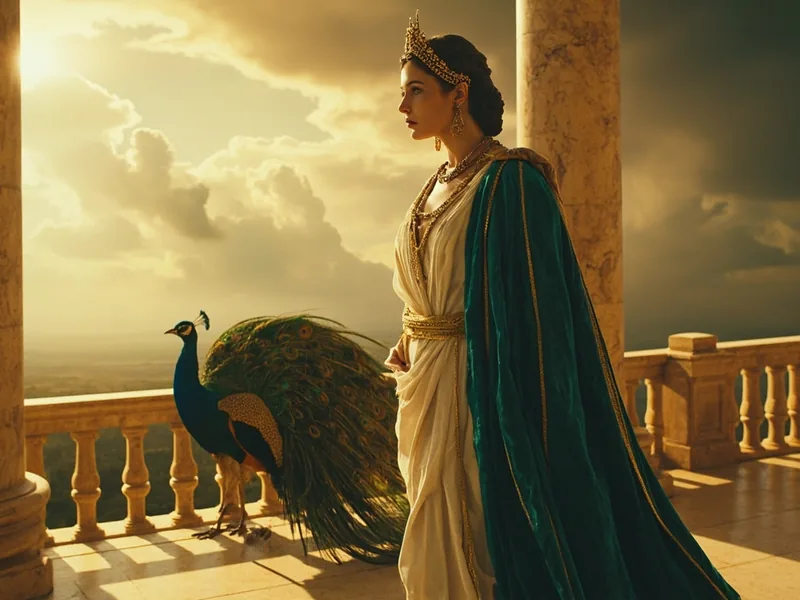 AIHeraMarriage · rule · queenship
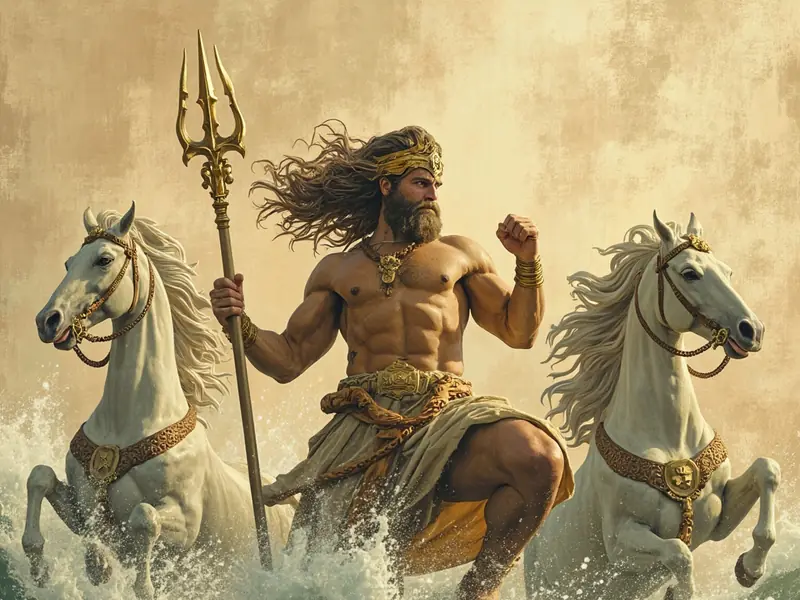 AIPoseidonSea · earthquakes · horses
 AIDemeterEarth · harvest · motherhood
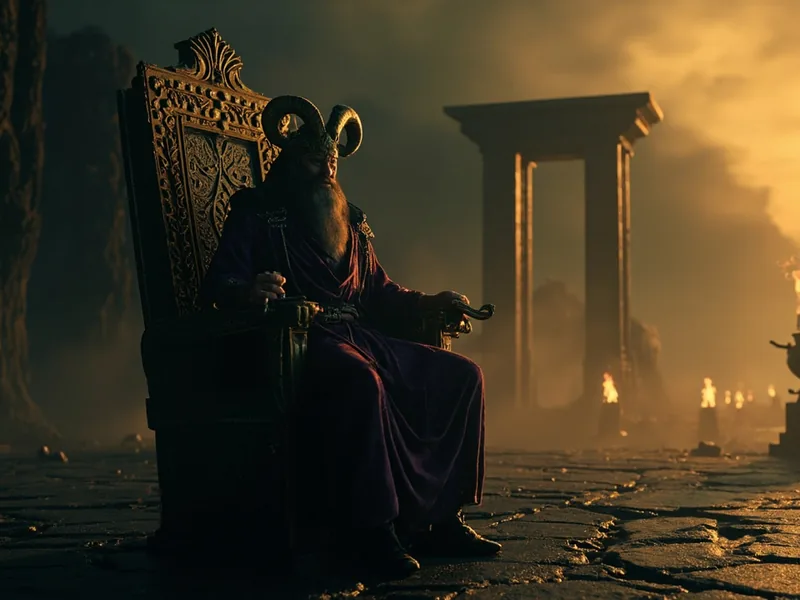 AIHadesUnderworld · the dead · Persephone
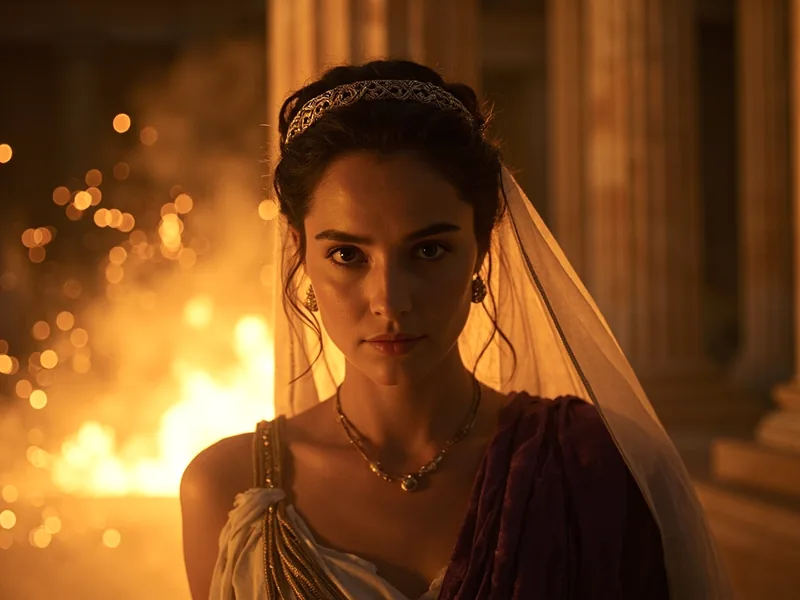 AIHestiaHome · fire · silence
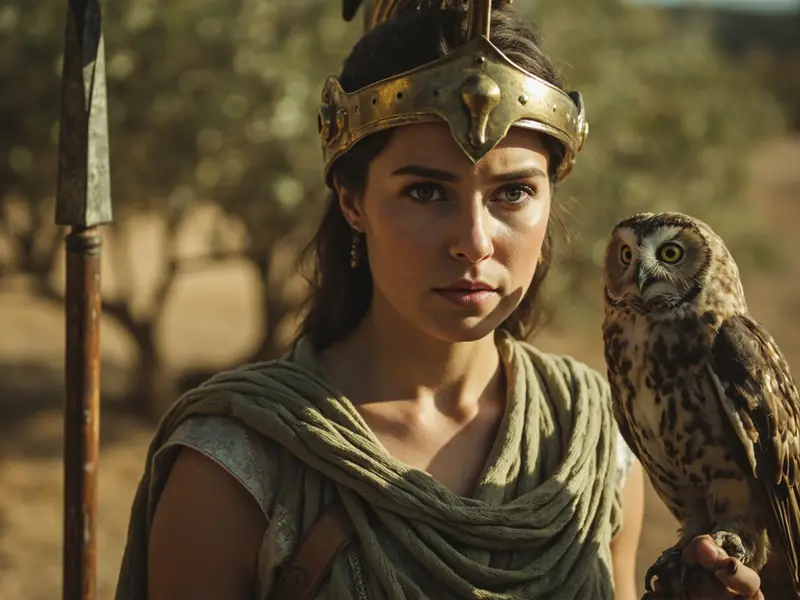 AIAthenaWisdom · strategy · city
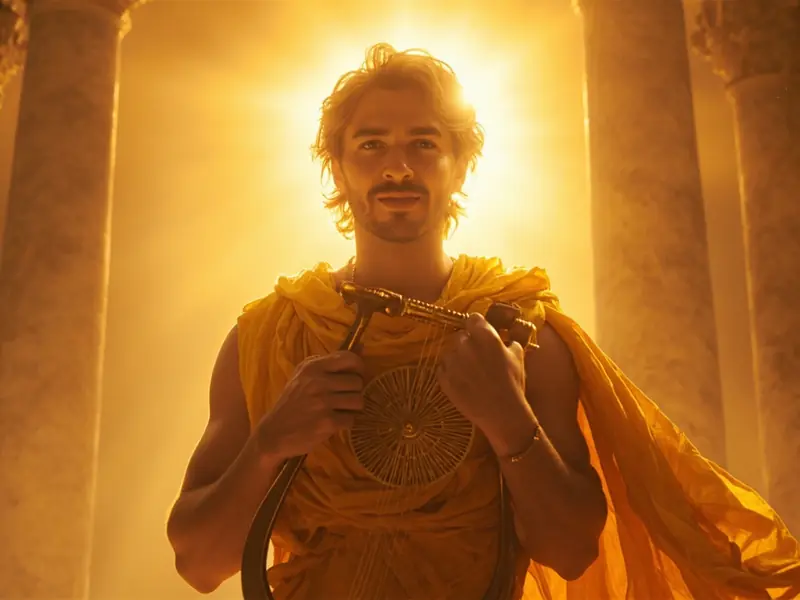 AIApolloLight · music · prophecy
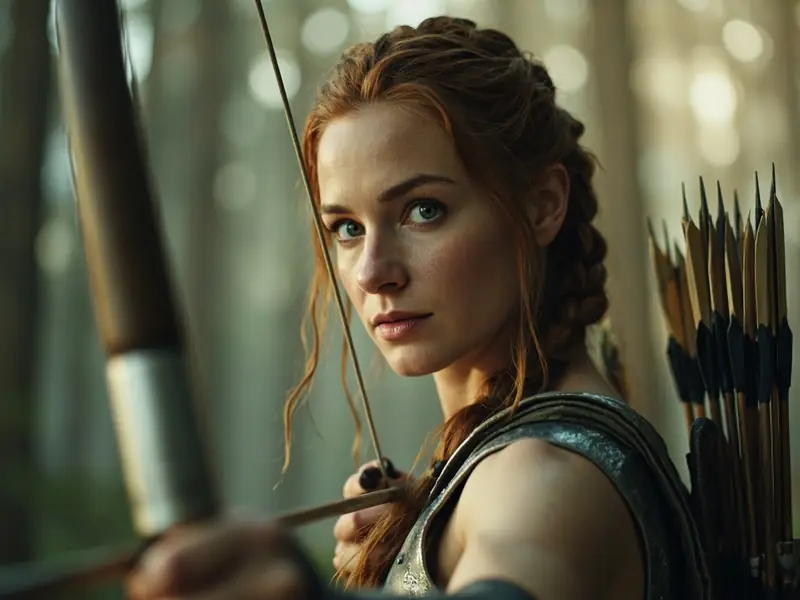 AIArtemisHunt · boundaries · freedom
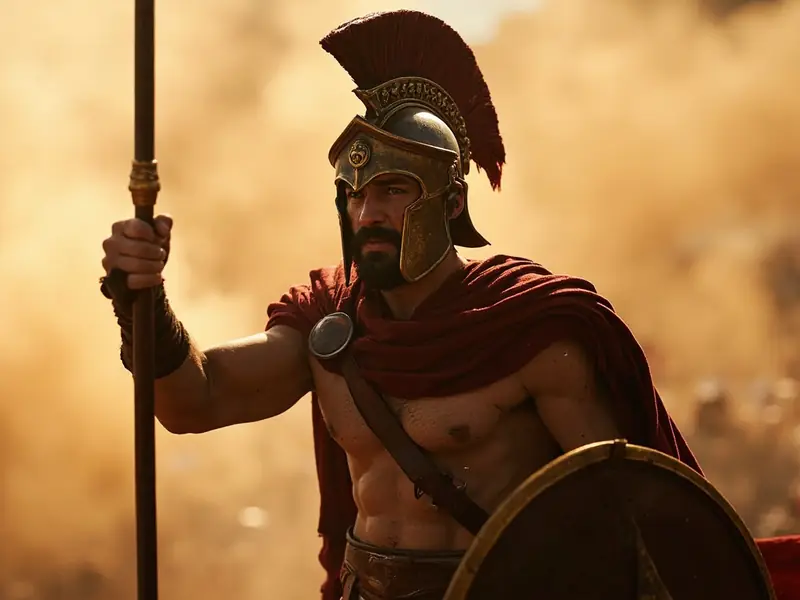 AIAresWar · honour · fury
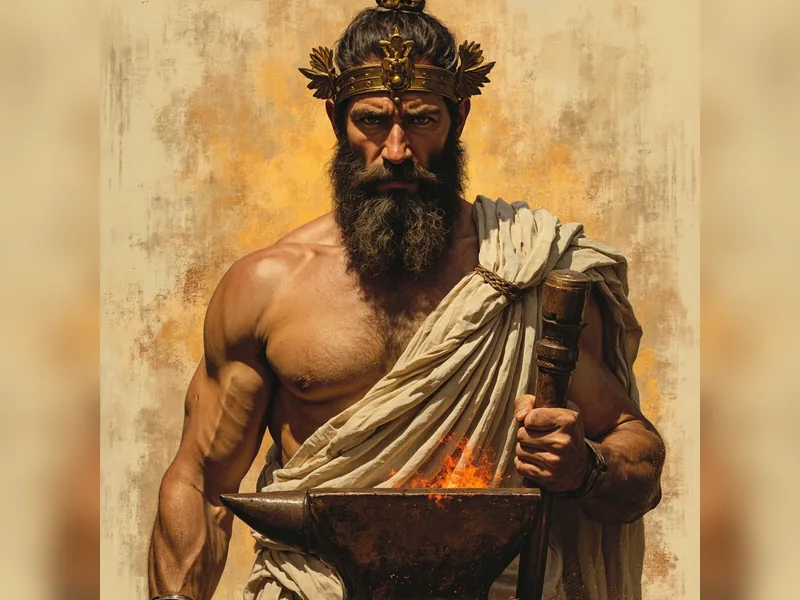 AIHephaestusFire · craft · revenge
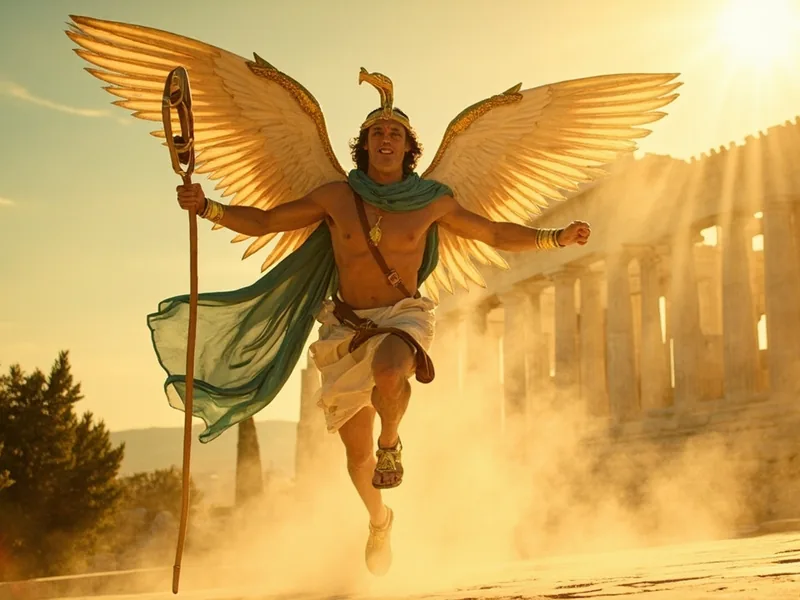 AIHermesMessages · roads · wit
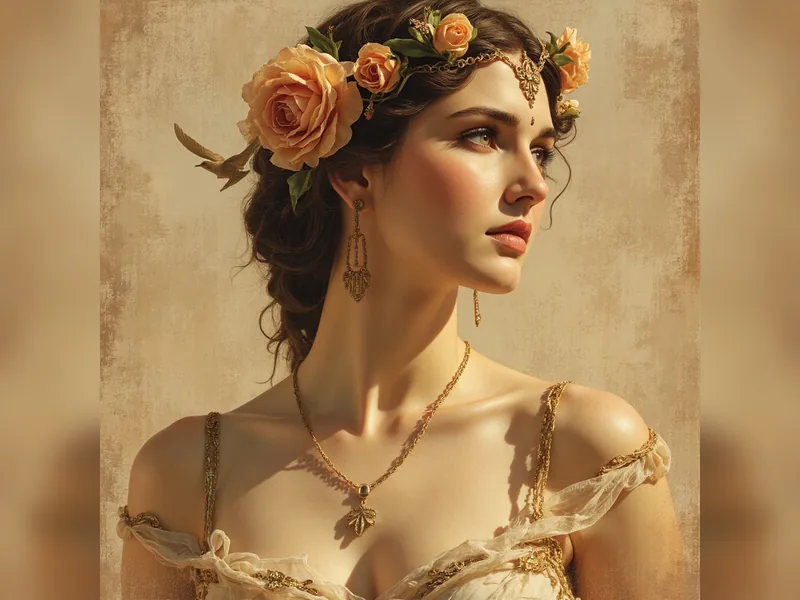 AIAphroditeLove · beauty · power
Heroes and monsters — the figures myth never made into gods, but who changed everything.
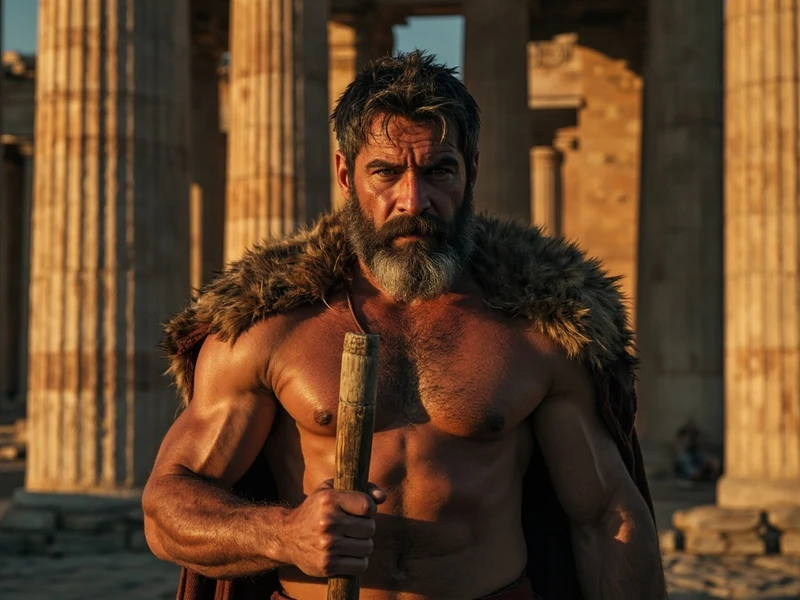 AIHeraklesTwelve labours · guilt · strength
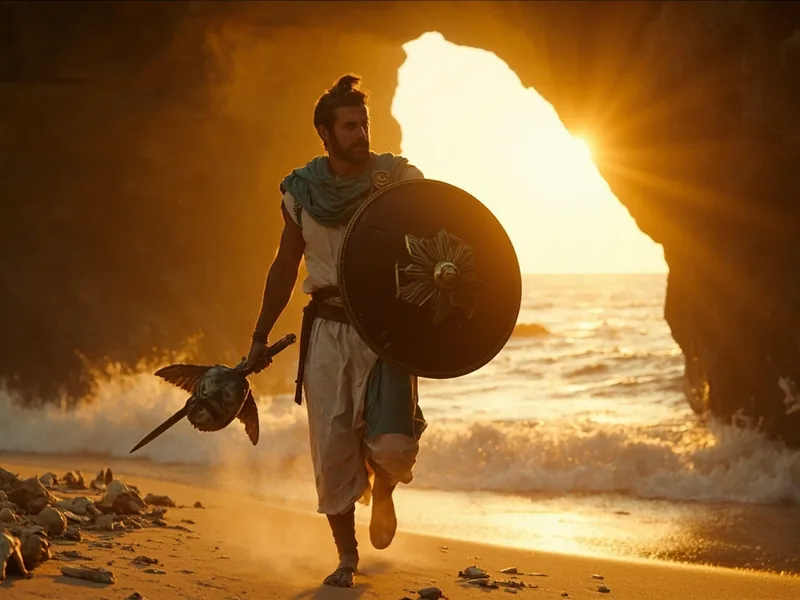 AIPerseusHero · Medusa · mission
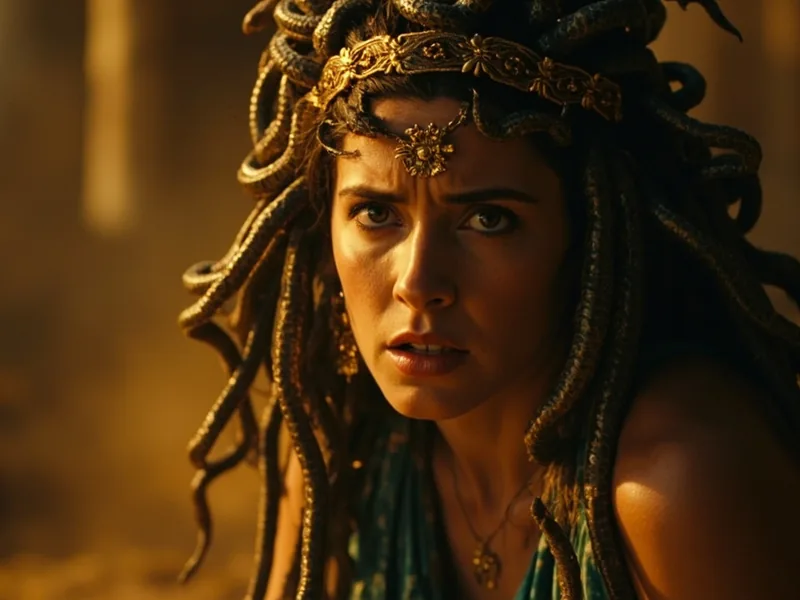 AIMedusaGorgon · gaze · symbol
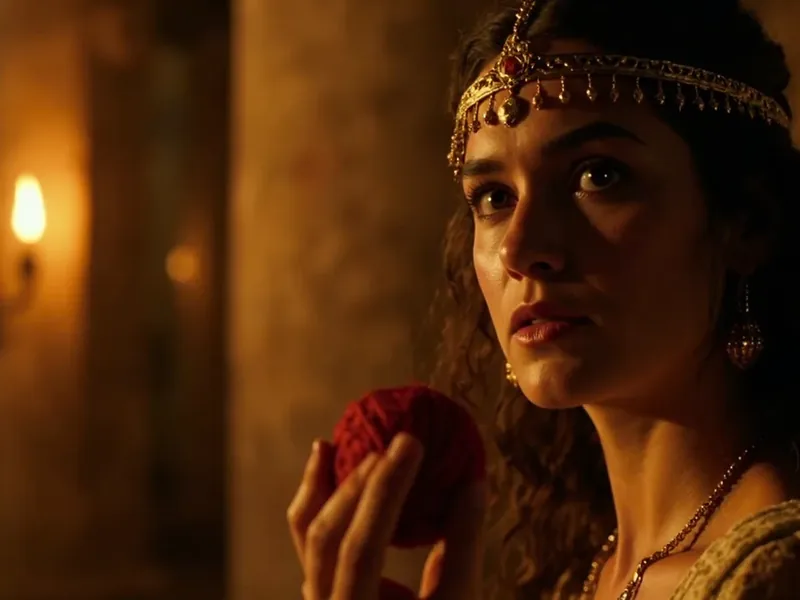 AIAriadneThread · Crete · betrayal
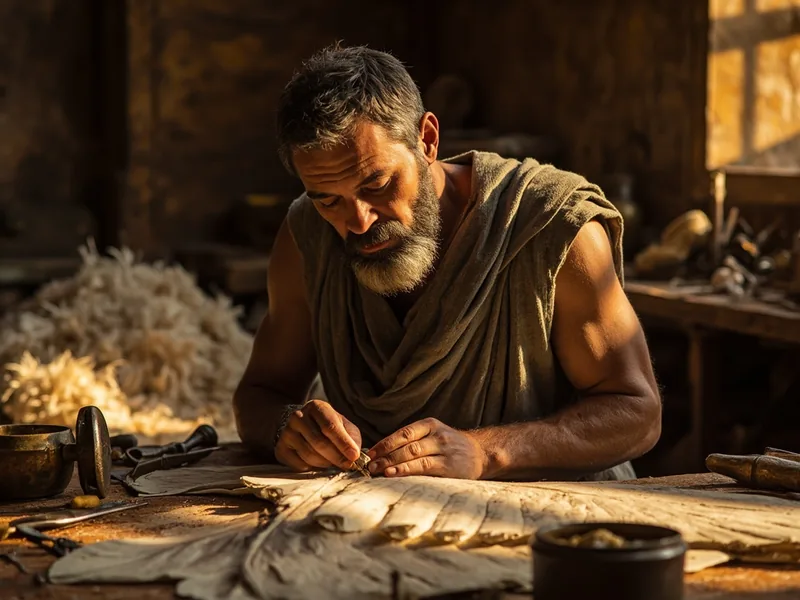 AIDaedalusWings · craft · loss
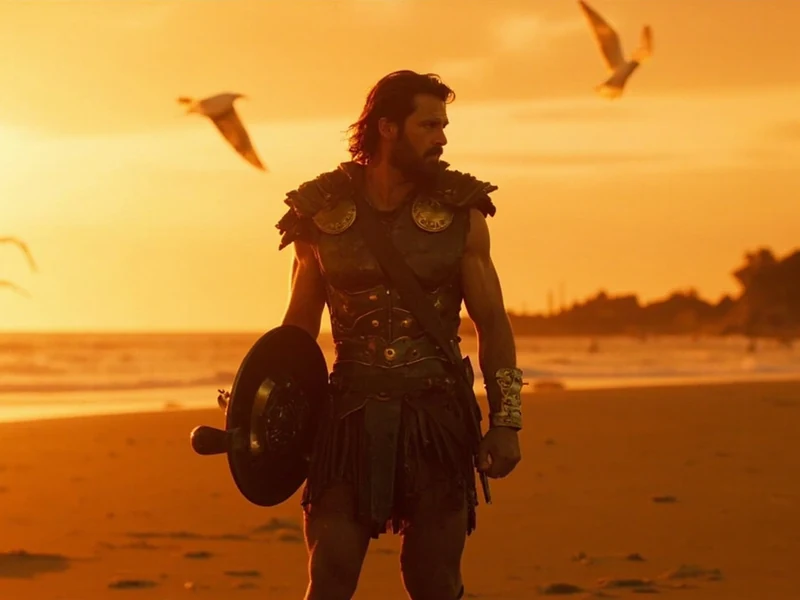 AIAchillesTroy · rage · glory
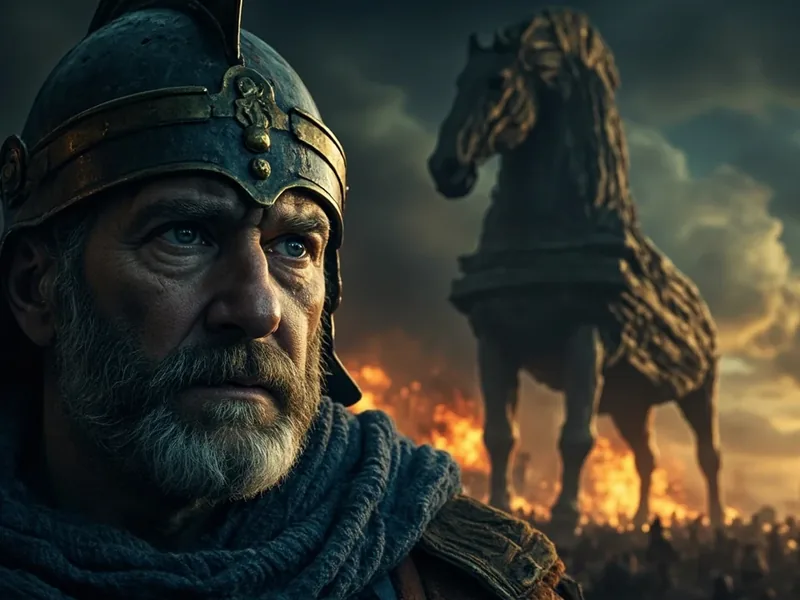 AIOdysseusTroy · cunning · homecoming
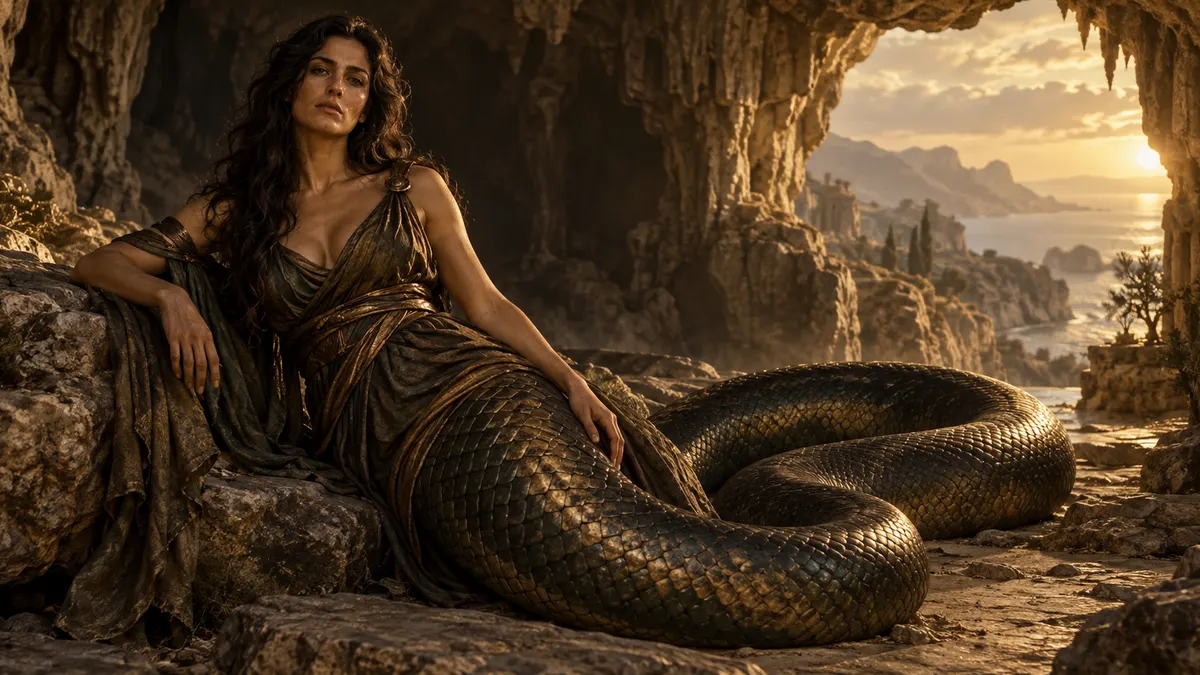
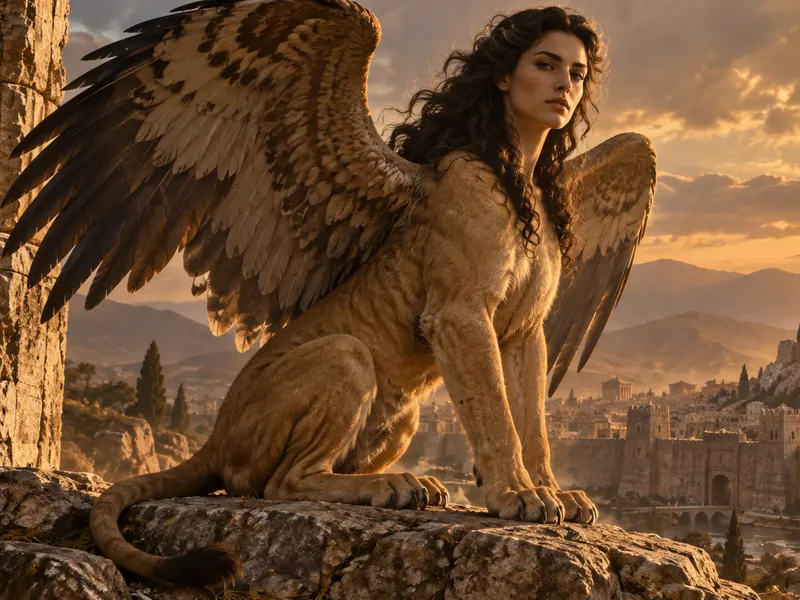 AISphinxThebes · riddle · Oedipus
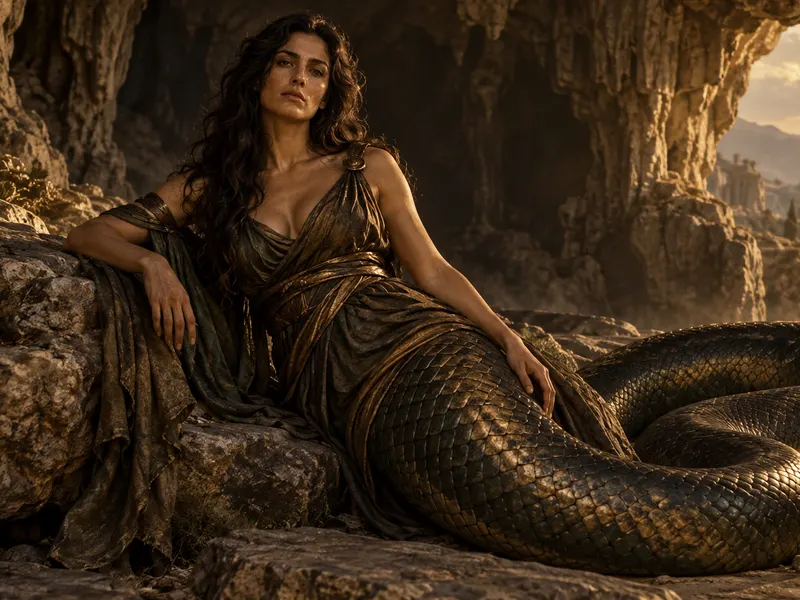 AIEchidnaMother of monsters · Typhon · cave
The foundation stories of Gods Uncensored, written by voices with something personal to say.
The Sphinx of Thebes speaks: Echidna's bloodline, the riddle of four, two and three feet, the man who solved it, and the tragedy his right answer set loose.
Read the story →Echidna tells her side: Typhon, the children turned into Herakles' labours, and the conflicting ancient traditions surrounding her life and death.
Read the story →The mēnis that opens the Iliad, the death of Patroclus, and the moment in the Odyssey where Achilles takes his own choice back.
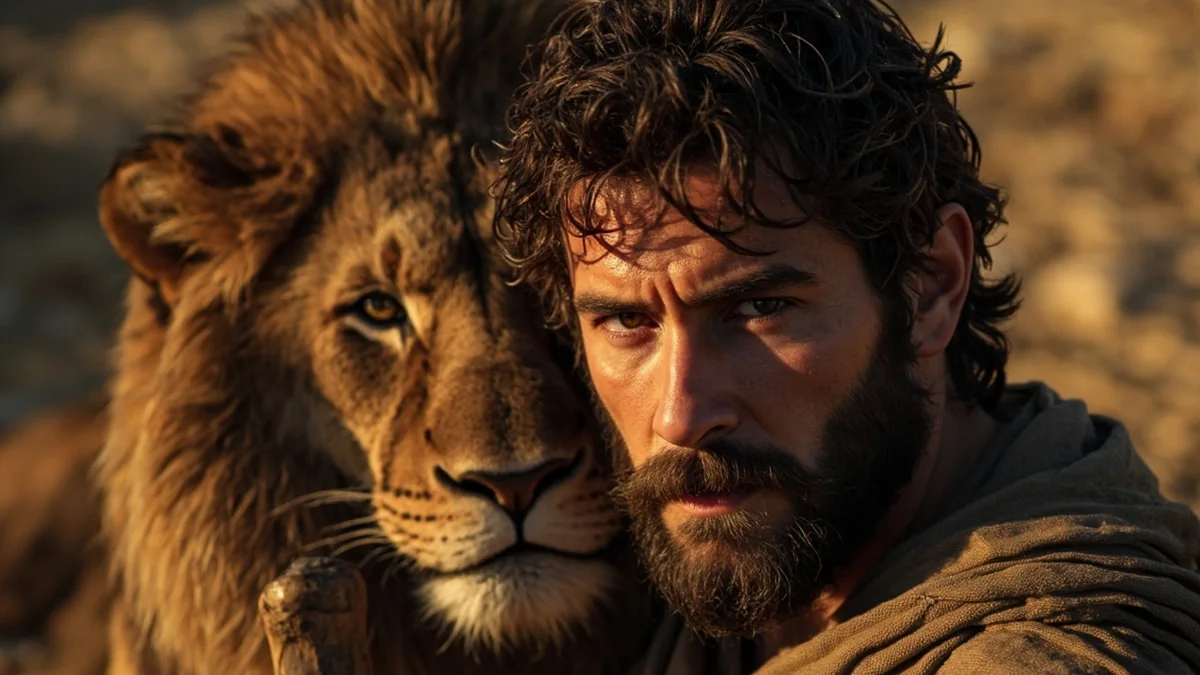
Read the story →Herakles tells of the madness Hera sent and the killing of his children — and why Apollodorus and Euripides do not agree on the order of events.
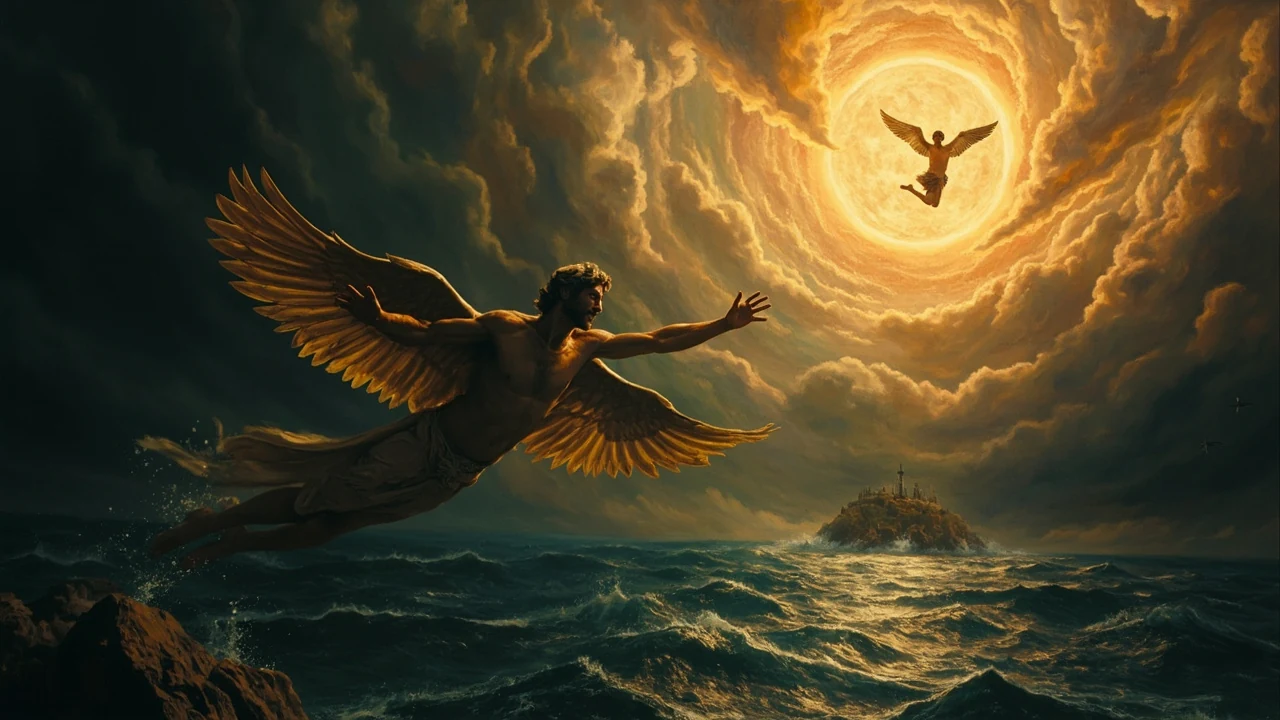
Read the story →Daedalus narrates the Labyrinth, the wings, and the fall of Icarus while separating the conflicting ancient versions of the myth.
Read the story →Ariadne tells the Cretan myth — the Minotaur, the thread, the betrayal on Naxos — and then, clearly separated and in a serious educational voice, the real Minoan civilization: Knossos, Linear A/B, bull-leaping, Thera.
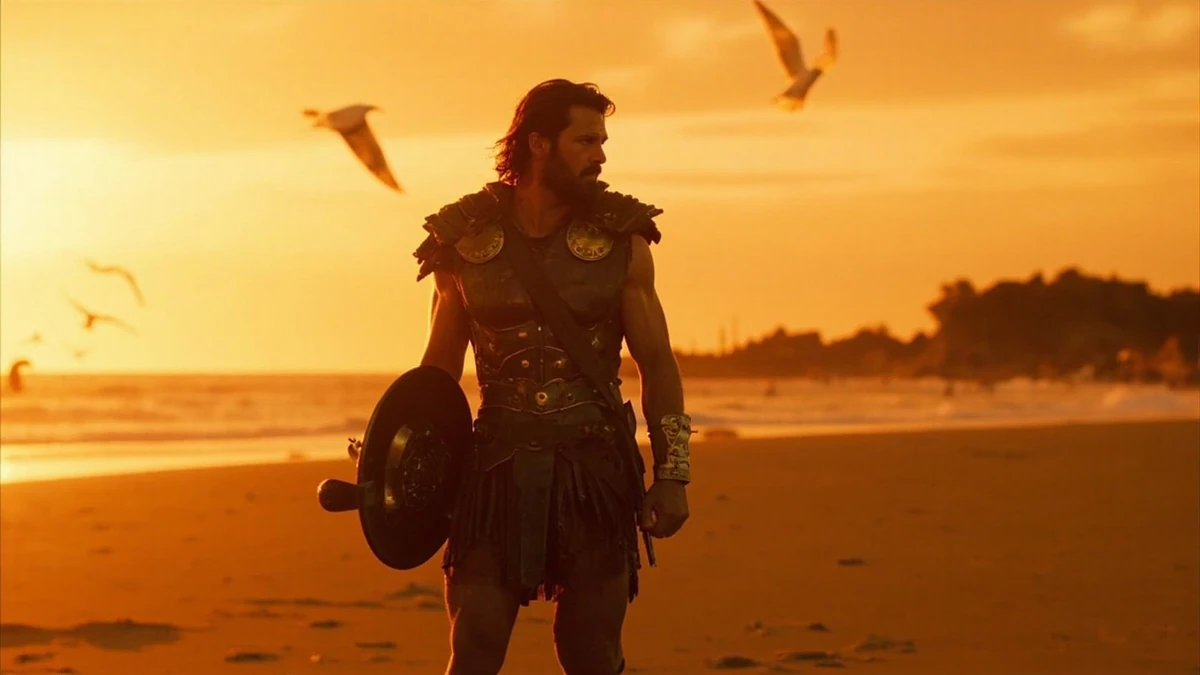
Read the story →Odysseus tells the whole Trojan War — from Eris’ apple and Achilles’ rage to the Wooden Horse, the fall of Troy, and the disastrous journeys home.
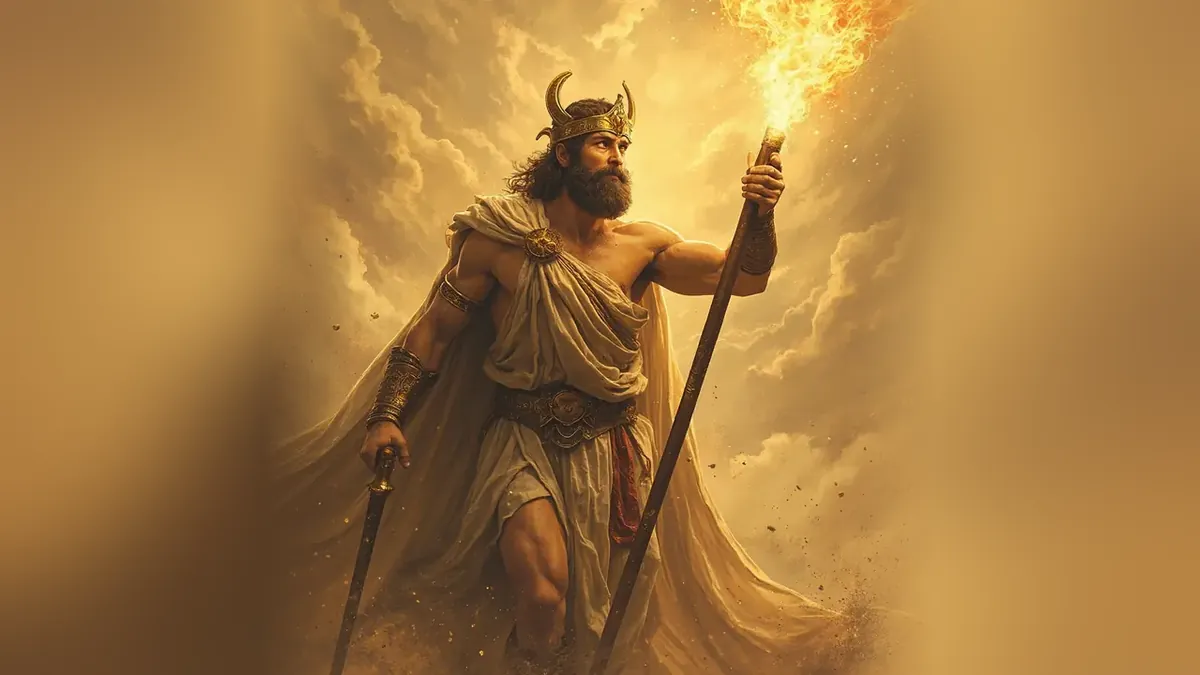
Read the story →Prometheus recounts the sacrifice at Mecone, the theft of fire and his punishment, separating Hesiod from later versions of the myth.
Read the story →Rhea tells how Cronus swallowed their children, how Zeus was saved and why the Cretan traditions should remain separate.
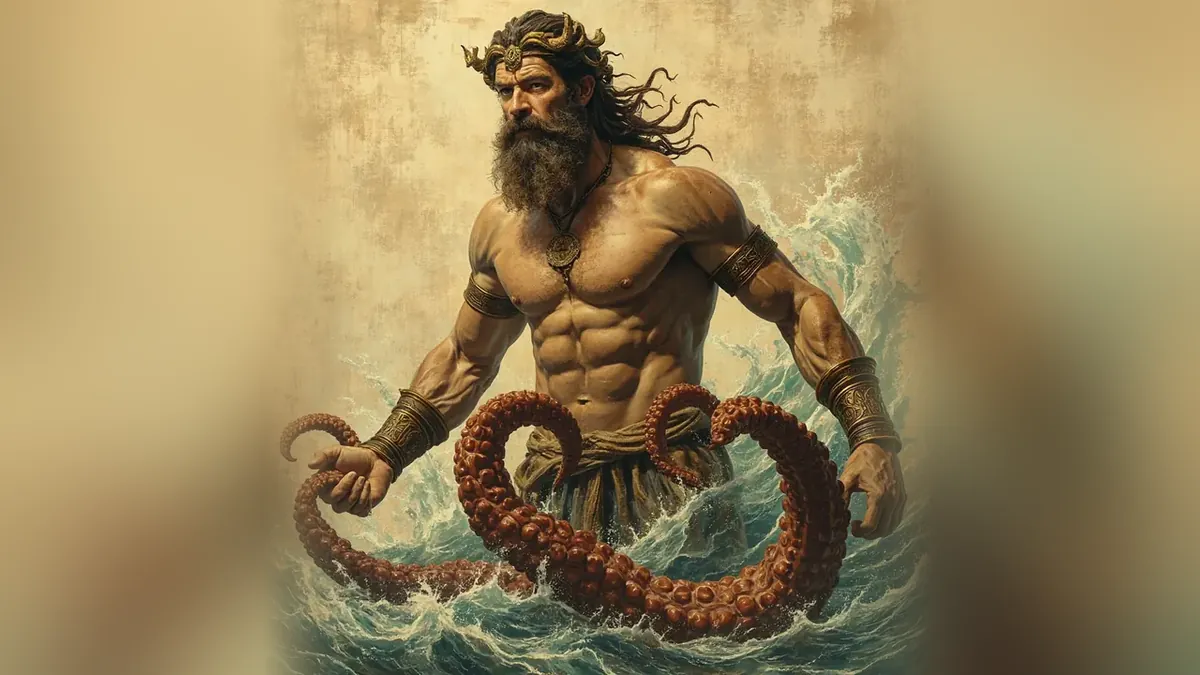
Read the story →Oceanus explains why he is not simply the sea, who his children were and why he should not automatically be placed in the Titanomachy.
Read the story →Hyperion separates himself from his son Helios and explains why the archaic sun god is not simply another name for Apollo.
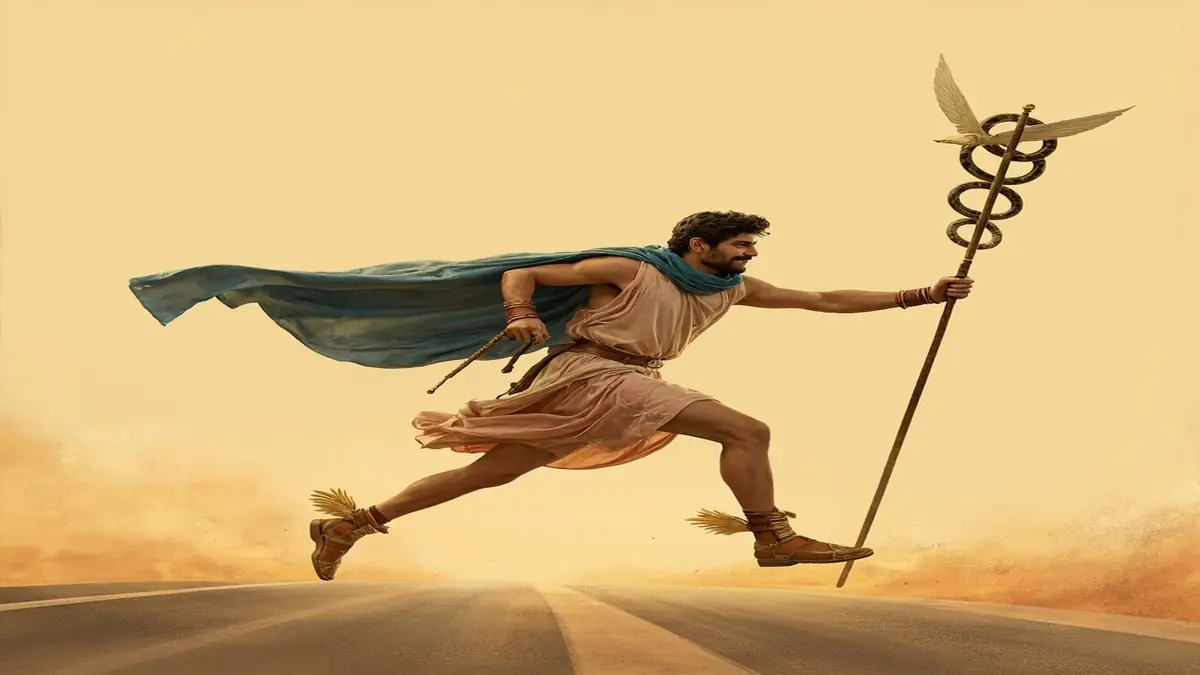
Read the story →Hermes tells his own story: Apollo's cattle, the first lyre, dangerous journeys, restless souls, Roman Mercury and the jobs nobody else on Olympus wants.
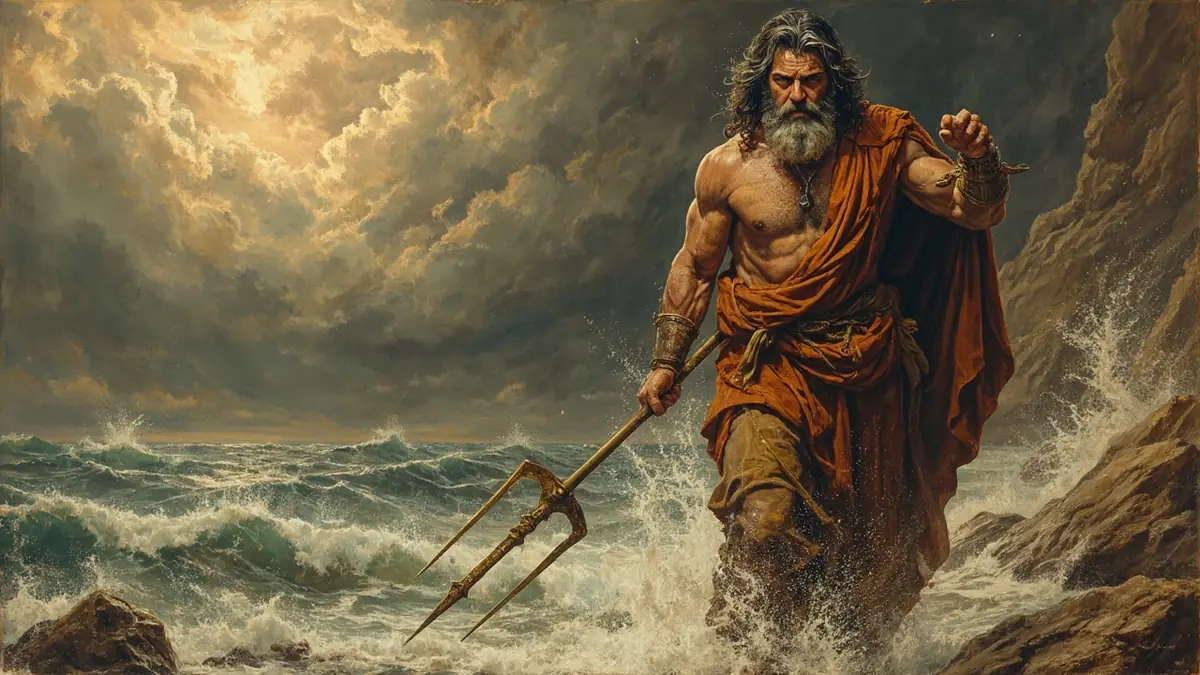
Read the story →Poseidon recounts the cosmic lottery: how he won the sea, what Zeus and Hades received, and why earth and Olympus remained common ground for all three brothers.
Read the story →Hestia reveals the sacred hearth, the first and last libations, and the quiet power that holds together the households of mortals, cities and gods alike.
Read the story →Perseus recounts his mission against Medusa, the borrowed divine weapons, and the conflicting traditions behind mythology's most famous severed head.
Read the story →Medusa tells her own story: from Hesiod’s Gorgon to the woman punished in Ovid, and the gaze that became a symbol.
Read the story →Hera tells her side of marriage to Zeus: betrayal, royal power, harsh revenge, wounded dignity, and the myths that made the queen of Olympus feared and complex.
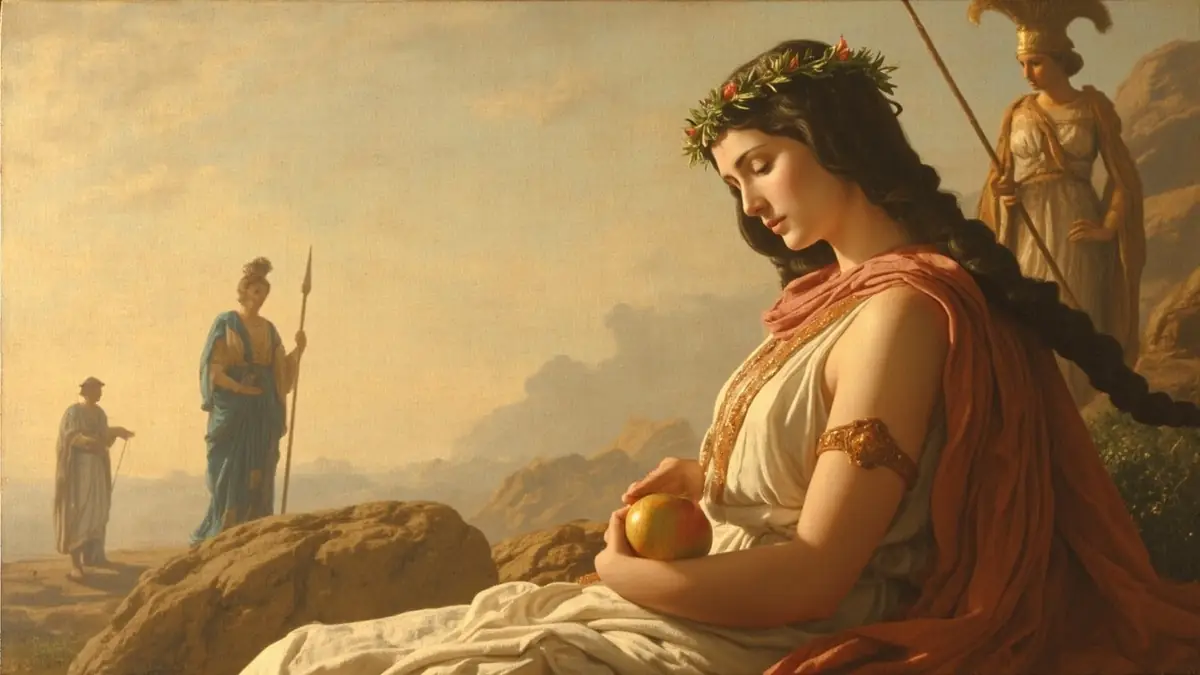
Read the story →Aphrodite tells the Judgment of Paris from the inside: the golden apple, the three goddesses, Paris, and the consequences that reshaped the world.
Read the story →Hesiod's cosmogony in the voice of Cronus: Chaos, Gaia, Uranus, the birth and dark ascent of the Titans at the very beginning of the ancient world.
Read the story →Ares remembers the Trojan War: his clash with Athena, the wound dealt by Diomedes, and the real cost hidden beneath the language of martial glory.
Read the story →Athena tells her own birth story — Metis, the prophecy, the swallowing, and the armed leap from Zeus's head — through Hesiod, the Homeric Hymn, and Apollodorus.
Read the story →Hephaestus speaks in first person about the two falls the Iliad tells. What the passages say, what their silence hides, and why dignity comes out of fire.
Read the story →Demeter tells the abduction of Persephone without the pretty wrapping: how the earth's famine became power against the gods, drawn from the Homeric Hymn.
Read the story →Apollo speaks in a bright, dangerous voice about music, healing, plague, and prophecy: a god who reveals, cures, punishes, and burns without apology.
Read the story →First-person testimony of Artemis: what her boundaries are, why she punishes, and why the Greek traditions about her refuse to collapse into one story.
Read the story →Hades tells of the division of the world, his kingdom of the dead, the abduction of Persephone, and why the ancients avoided speaking his name.
Read the story →Zeus tells how he won the sky, imposed order and wielded divine power without hiding the fear, deception, coercion and human cost behind his reign.
Read the story →The Titans tell of their generation, divided loyalties and defeat, separating ancient tradition from the modern image of one army of enormous monsters.
Read the story →Ares answers his reputation: son of Zeus and Hera, the god his own father hates, the rival of Athena, and the father of Harmony herself — in his own words.
Read the story →Ares tells the scandal with Aphrodite and the invisible net of Hephaestus, as the Odyssey sings it — and reveals who truly walked out of that room defeated.
Read the story →